Lu Lab Tsinghua Protein Design Center
full

Lu Lab

Tsinghua Protein Design Center

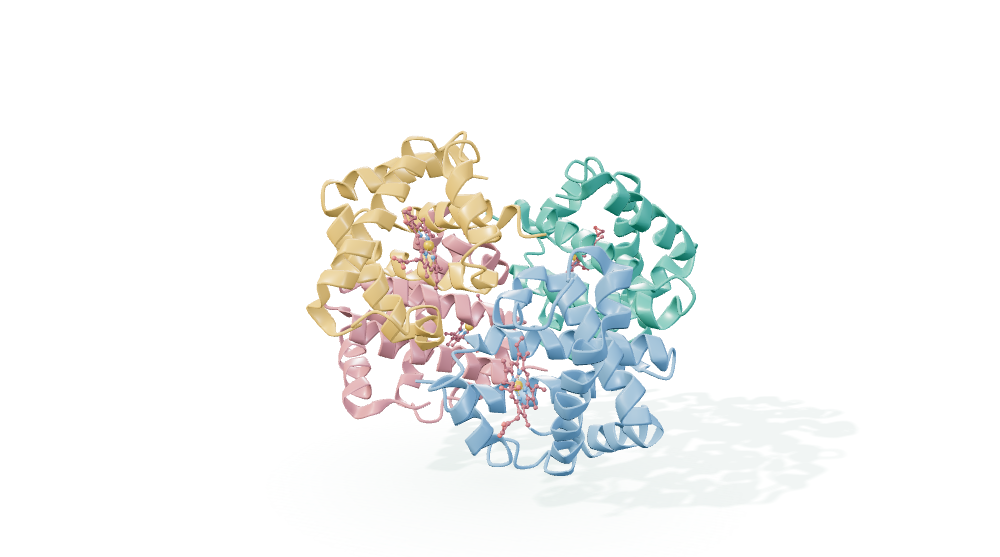
Ribbon representation of the hemoglobin tetramer
Protein assembly

Hemoglobin

PDB 4HHB
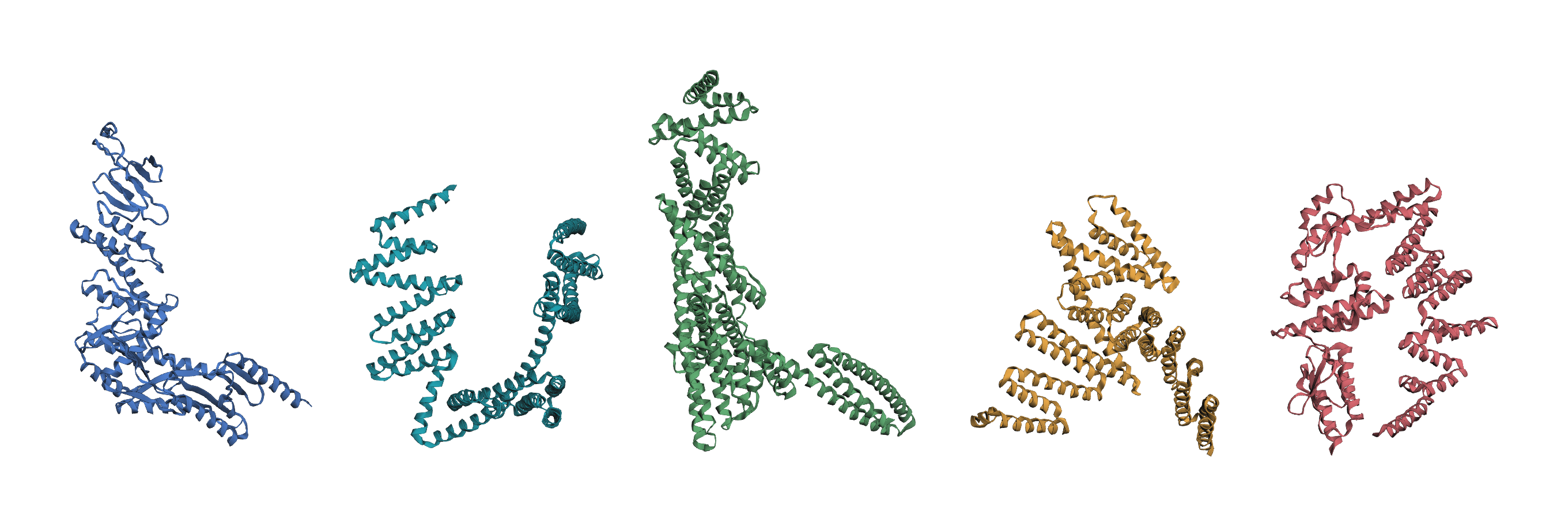
Explore six experimental protein structures representing molecular binding, catalysis, membrane signaling, protein assembly, molecular recognition, and therapeutics.

Research Directions

Three interconnected directions spanning molecular binding, catalysis, and proteomics.

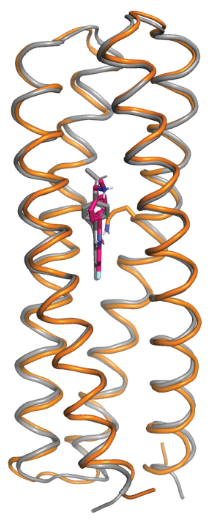
Overlay of a rucaparib-bound designed protein structure and its computational design model

Molecular binding

De Novo Design of Molecular Binding Proteins

We design proteins that selectively recognize drugs, metals, glycans, proteins, and other molecular targets. By integrating structural database mining with emerging protein design technologies, we develop functional binders for biomedical research, diagnostics, and therapeutic applications.
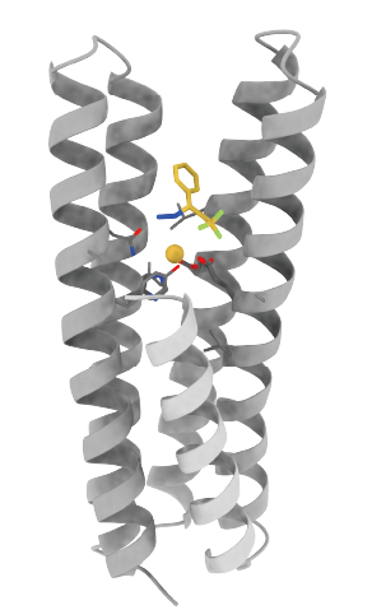
Designed alpha-helical enzyme structure with a catalytic center

Catalysis

Computational Design of De Novo Enzymes

We develop computational methods for designing enzymes that catalyze specific chemical reactions. Our research combines custom protein scaffold databases, deep learning, and computational chemistry to create artificial enzymes with practical scientific and biomedical value.

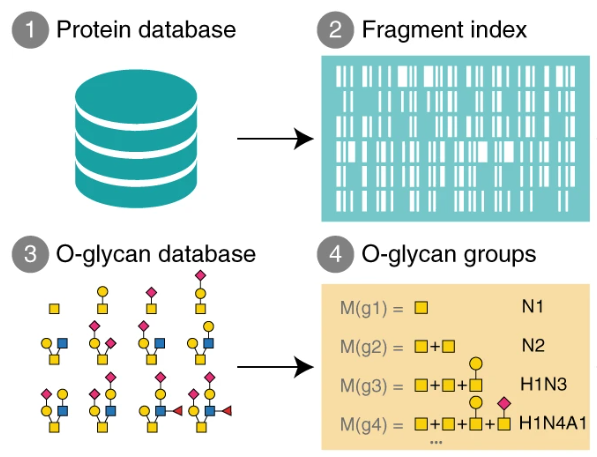
O-glycoproteomics workflow from protein and glycan databases to fragment indexing

Proteomics

Protein Design–Enabled Proteomics

We develop new proteomics technologies and algorithms based on engineered proteins and enzymes, including limited-proteolysis proteomics and proximity-labeling proteomics. These approaches support drug screening and the discovery of disease mechanisms and therapeutic targets.